22 Sep 2026
Synchronizing Algorithmic Monitoring Systems and Cyclical Mental Resilience Training for Multi-Table Contenders
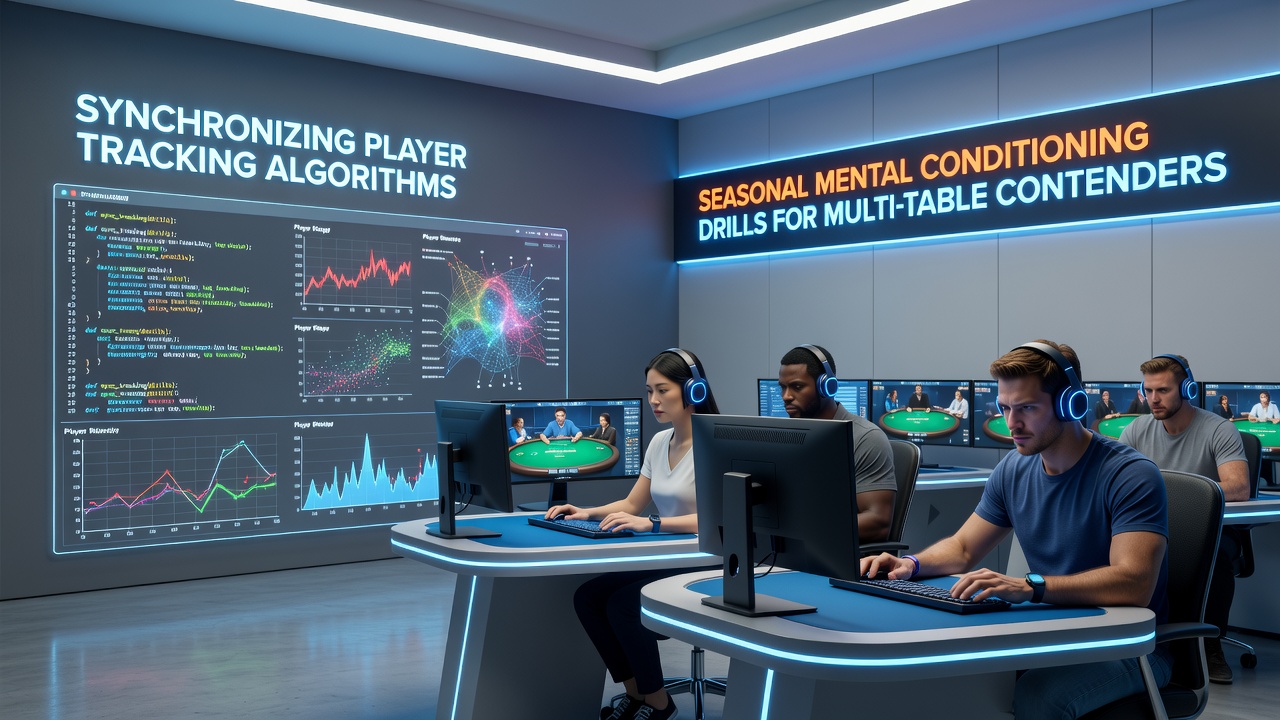
Multi-table poker contenders rely on integrated systems that combine real-time data capture from tracking algorithms with structured mental conditioning programs adjusted across seasonal cycles, and these approaches draw from performance analytics used in competitive gaming environments worldwide.
Core Components of Player Tracking Algorithms
Tracking algorithms collect metrics such as voluntary put money in pot percentages, preflop raise frequencies, and aggression factors across thousands of hands per session, while software platforms organize this information into dashboards that highlight deviations from established baselines during extended play periods. Data from these systems reveal patterns in decision-making under varying stack depths and table counts, which allows analysts to map performance fluctuations that align with calendar-based volume changes reported in industry reports from sources like the Australian Gambling Research Centre.
Structure of Seasonal Mental Conditioning Drills
Mental conditioning protocols divide training into phases that correspond to peak tournament seasons, off-peak maintenance periods, and transition windows, incorporating visualization exercises, breathing regulation techniques, and cognitive reframing sessions scaled to anticipated hand volumes. Programs emphasize progressive overload principles where drill intensity increases during high-stakes windows and reduces during recovery intervals, with practitioners documenting adherence through self-reported logs that correlate directly with algorithmic outputs on tilt indicators and session duration metrics.
Integration Methods Between Tracking Data and Drill Scheduling
Coordinators align algorithm-generated alerts with drill calendars by feeding statistical outliers into scheduling software that recommends specific mental exercises, such as post-session review modules triggered when fold-to-three-bet percentages drop below historical norms during September periods when player pools expand ahead of major festival events in 2026. This synchronization process uses timestamped hand data to trigger targeted interventions, for instance routing players toward focus-attention drills after detecting elevated showdown frequencies in multi-table configurations.

Implementation involves mapping key performance indicators from tracking platforms onto drill libraries, where researchers at institutions including the University of Calgary have documented correlations between consistent mental training adherence and stabilized variance measures in extended session logs. Systems automatically adjust drill frequency based on rolling averages of hands played per week, ensuring that conditioning volume matches the demands indicated by algorithmic trend lines rather than fixed calendars.
Practical Application in Multi-Table Environments
Contenders operating twelve or more tables simultaneously receive customized feedback loops where tracking algorithms flag concentration lapses through metrics like time-to-action deviations, prompting immediate mental reset drills between table rotations. Seasonal adjustments account for increased recreational player influxes during certain months, with programs scaling cognitive load exercises to maintain decision consistency across wider opponent pools and fluctuating prize structures. Observers note that platforms incorporating these synchronized elements show measurable alignment between pre-session conditioning completion rates and post-session statistical stability in large sample datasets.
Data Sources and Validation Approaches
Validation draws from aggregated anonymized datasets across multiple operators, cross-referenced against regulatory filings and academic performance studies that track longitudinal changes in player metrics. Figures from North American and European operators indicate that structured synchronization reduces session-to-session variance in key indicators by measurable margins when mental drills are timed according to algorithmic triggers rather than arbitrary schedules. These patterns hold across different stake levels and tournament formats, with data pipelines continuously refined through iterative testing cycles.
Conclusion
Effective synchronization requires ongoing calibration between algorithmic outputs and mental conditioning schedules to match the dynamic demands faced by multi-table contenders throughout annual cycles. Continued refinement of these integrated systems supports consistent performance tracking across evolving player pools and seasonal conditions.