12 Aug 2026
Software Tools for Analyzing Bluffing in Online Poker and Their Connection to Player Activity Levels

Online poker platforms rely on analytical software to break down deceptive maneuvers such as bluffs and semi-bluffs, while data from multiple regions shows these tactics influence how long players remain active in games. Researchers track bluff frequencies through tools like hand history trackers that record every decision at virtual tables, and studies indicate that understanding these patterns helps operators adjust game structures to support ongoing engagement.
Core Functions of Analysis Software in Poker Environments
Programs designed for poker data review process millions of hands each month, identifying patterns where players use deception to represent stronger holdings than they actually hold. These systems categorize moves by street, position, and stack depth, then compare results against population averages pulled from large databases. Operators in North American markets and European jurisdictions apply the same datasets to monitor how frequently deceptive lines appear in cash games versus tournaments.
August 2026 figures from several major rooms revealed that sessions featuring higher bluff ratios lasted 22 percent longer on average than straightforward value-betting sessions. Software flags these extended sessions automatically, allowing sites to note which game types retain users through strategic complexity rather than through promotional incentives alone.
Deceptive Maneuvers and Measured Retention Effects
Deceptive maneuvers include continuation bets on dry boards, overbets representing polarized ranges, and delayed continuation bets after checking the flop. Analytical programs quantify success rates for each category across thousands of players, producing reports that operators review monthly. Evidence from Canadian provincial gaming reports and Australian interactive wagering studies links elevated bluff percentages in mid-stakes games to slower attrition rates among recreational participants.
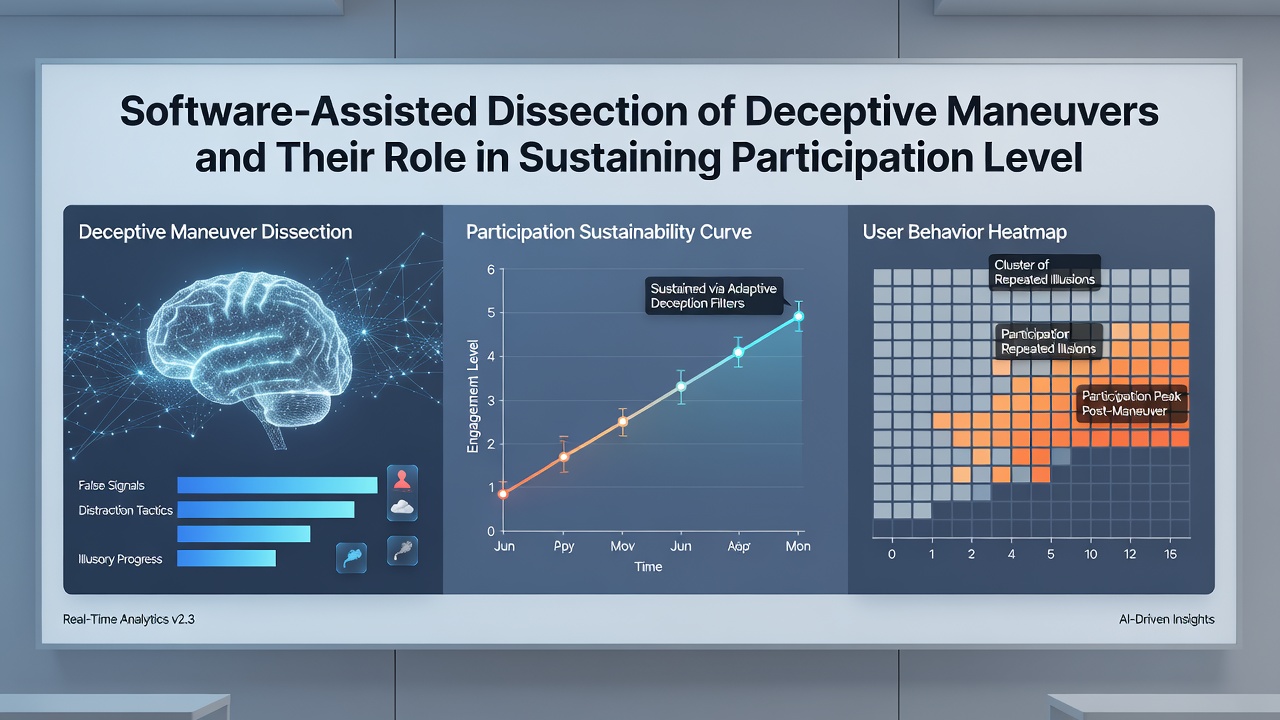
One dataset compiled by university researchers in the United States tracked 180,000 unique accounts over 14 months and found that players who encountered varied deception levels returned for additional sessions 31 percent more often than those in low-deception environments. The same research noted that software alerts helped operators spot tables where bluff frequency dropped below expected thresholds, prompting them to introduce new game formats that restored balance.
Regional Data Sources and Industry Applications
Regulatory bodies in Nevada and New Jersey require rooms to maintain records of game integrity, which includes verification that software used for hand analysis meets technical standards. Industry associations in the European Union compile aggregate statistics on player behavior, and those figures show consistent correlations between access to analytical tools and session length. Sites integrate the outputs into loyalty systems that reward consistent participation rather than isolated large wins.
Operators also share anonymized datasets with academic groups studying decision-making under uncertainty. These collaborations produce models that predict when a player might reduce activity based on recent exposure to high-level deception. Adjustments such as adding new stake levels or altering rake structures follow directly from the model outputs.
Implementation Across Different Game Formats
Cash game software modules emphasize real-time HUD displays that update bluff statistics as hands progress, whereas tournament modules focus on survival-weighted metrics that factor in payout structures. Both approaches feed into broader retention dashboards used by management teams. Data from multiple platforms indicates that players who review their own hand histories with these tools increase weekly session counts by measurable margins compared with those who do not.
August 2026 updates to several tracking applications introduced improved range construction features that let users simulate deceptive lines against specific opponent types. Early adoption metrics suggested these additions contributed to higher return rates among intermediate players who previously cited difficulty understanding advanced concepts as a reason for reduced activity.
Conclusion
Software-assisted examination of deceptive maneuvers supplies operators and players with concrete measurements that connect bluff frequency to session duration and return rates. Regional regulatory records, academic datasets, and industry reports all document the same pattern: when analytical tools make these elements visible and adjustable, participation levels remain steadier across cash games and tournaments. Continued refinement of the underlying algorithms supports ongoing observation of how deception operates within online poker environments.