7 Aug 2026
Pattern Recognition Systems Refining Resource Distribution Across Varied Digital Competition Platforms
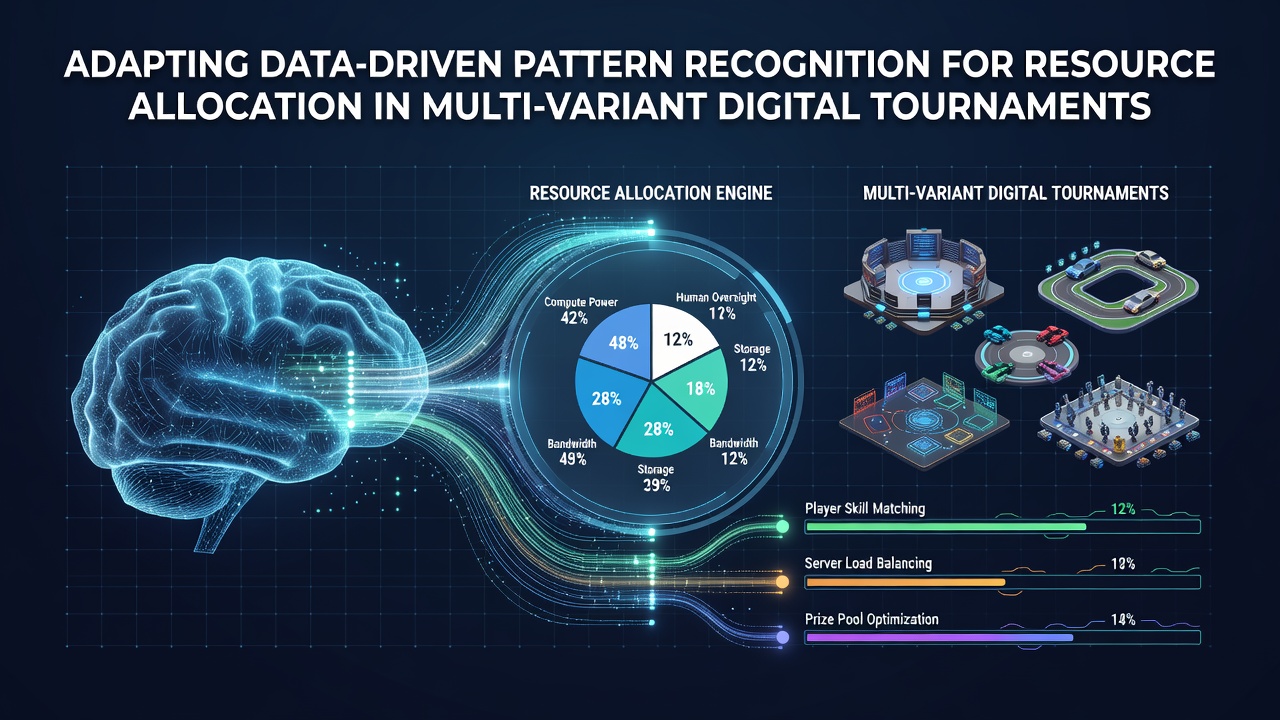
Digital tournaments spanning multiple game variants now rely on pattern recognition systems to allocate servers, bandwidth, and prize pools with greater precision than earlier manual methods allowed, and researchers at institutions across North America and Europe have documented steady adoption rates since the mid-2020s. These systems analyze player behavior logs, match duration statistics, and entry volume trends to predict demand spikes before they occur, which reduces idle capacity while preventing overload during peak periods. In practice the algorithms identify recurring sequences such as sudden surges in variant-specific participation after major patch releases or seasonal schedule changes, then adjust resource pools accordingly without requiring constant human oversight.
Core Mechanisms Behind the Adaptation Process
Pattern recognition models begin by ingesting structured datasets that include historical participation numbers, average session lengths per variant, and geographic distribution of entrants, after which clustering techniques group similar competition cycles so that allocation rules can apply uniformly across comparable events. Machine learning layers then refine these clusters through iterative training on fresh data streams, allowing the system to distinguish between short-term anomalies and sustained shifts in player preferences. Observers note that organizations running multi-variant platforms have reported measurable drops in over-provisioning costs once these models reach stable accuracy thresholds, typically after three to six months of continuous operation.
Resource allocation decisions shift from static schedules to dynamic outputs generated every few minutes, and this change proves especially useful when one tournament variant experiences unexpected growth while another contracts. The models weigh factors such as remaining prize budgets, available server regions, and projected dropout rates to rebalance assignments in real time, which keeps overall system utilization within target ranges. Data from platforms operating in the Asia-Pacific region shows that such adjustments have maintained uptime above 99.5 percent during high-volume periods, according to reports issued by regional technology research centers.
Implementation Across Different Tournament Structures
Single-elimination brackets, round-robin formats, and hybrid survival modes each generate distinct data signatures that the recognition engines must handle separately, yet the underlying architecture remains consistent. Engineers configure separate feature sets for each structure so that the model can recognize when a bracket variant will require additional observer nodes or when a survival format will demand expanded chat moderation resources. Those who maintain these systems emphasize that cross-variant data sharing improves overall prediction quality because patterns learned in one format often transfer useful signals to others after appropriate normalization.

By August 2026 several large operators had integrated real-time telemetry from mobile clients into the same pipelines previously fed only by desktop data, which expanded the granularity of detected patterns and allowed finer allocation of edge computing nodes closer to high-density player regions. This expansion coincided with updates to data governance standards issued by the Australian Competition and Consumer Commission, which clarified requirements for anonymized behavioral datasets used in commercial analytics. The updated standards encouraged wider adoption because they reduced legal uncertainty around cross-border data flows that many tournament platforms require.
Case Examples from Operational Environments
One European operator managing simultaneous fighting game and strategy game circuits applied the pattern models to reallocate streaming bandwidth after noticing that strategy variants consistently drew longer average viewer sessions during evening hours in Central European time zones. The adjustment freed capacity for the fighting game streams during their peak afternoon windows without additional infrastructure purchases. Another platform based in Canada documented how the recognition system flagged an emerging preference for cooperative variants among newer accounts, prompting an earlier-than-planned expansion of dedicated match-making servers in the western provinces. These examples illustrate how the same technical approach scales across different organizational sizes and regional constraints.
Industry groups such as the Esports Integrity Commission have begun publishing aggregated benchmarks that compare allocation efficiency metrics before and after pattern recognition deployment, giving smaller organizers reference points when planning their own implementations. The benchmarks draw from anonymized submissions across multiple continents, which helps establish baseline expectations for hardware savings and latency improvements.
Future Trajectories and Ongoing Refinements
Continued development focuses on incorporating external signals such as social media sentiment spikes or content creator schedules into the core models, although integration remains gradual because of data quality variations. Academic teams at several universities continue publishing working papers that test alternative clustering algorithms on public tournament datasets, and early results suggest potential gains in prediction lead time. Regulatory bodies in Singapore and the United States have signaled interest in standardized reporting formats for algorithmic allocation decisions, which could further streamline compliance for operators active in multiple jurisdictions.
Conclusion
The shift toward pattern-driven resource allocation continues to reshape operational practices in multi-variant digital tournaments by replacing fixed schedules with responsive, evidence-based adjustments. Organizations that maintain consistent data pipelines and update models against fresh participation records achieve more stable performance across fluctuating demand cycles. As additional regions adopt clearer data standards and as cross-platform telemetry becomes routine, the underlying techniques are expected to support even broader ranges of tournament structures while maintaining efficiency targets established in earlier deployment phases.