5 Aug 2026
Integrating Live Training Insights with Digital Hand Analysis for Better Poker Strategy Adaptation
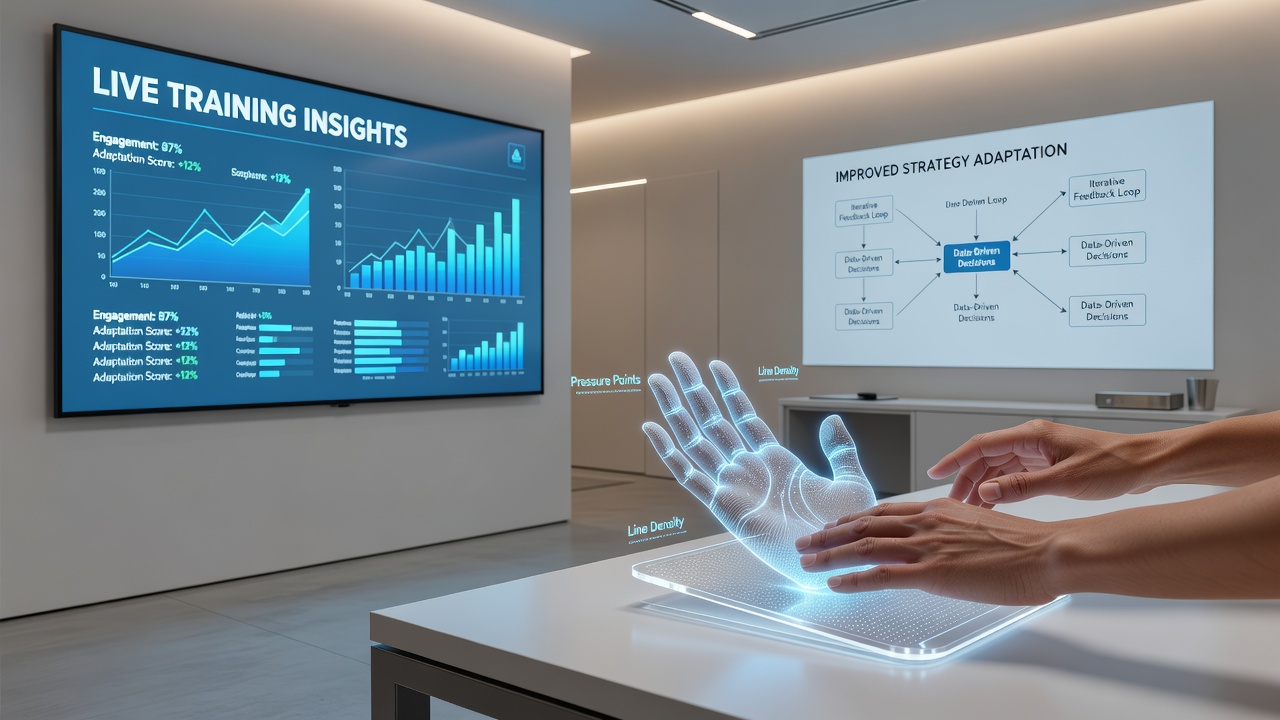
Live poker training sessions generate immediate observations about opponent tendencies and decision timing while digital hand analysis platforms process thousands of recorded actions into statistical breakdowns, and when these two sources connect they allow players to adjust strategies with greater precision across both physical tables and virtual rooms. Observers note that many competitors begin with handwritten notes from live events before importing similar patterns into software like tracking programs that calculate frequencies and expected values over large sample sizes.
Building Foundations Through Live Training Sessions
Coaches and players conduct live training by simulating real-time scenarios where participants discuss bet sizing choices and range constructions face to face, yet these exchanges capture nuances such as physical tells and table dynamics that digital records alone cannot fully replicate. Research from academic institutions shows that combining verbal feedback from such sessions with subsequent review improves retention of strategic adjustments, because the human element adds context that raw numbers lack. Those who study performance data find that live environments often highlight emotional responses to variance, and participants carry those lessons into later digital reviews where they test the same situations against historical databases.
Digital Hand Analysis as a Complementary Tool
Software applications record every action in online games and produce reports on win rates by position, aggression factors, and showdown frequencies, while users filter hands to isolate specific river decisions or preflop raises. Industry reports indicate that platforms processing millions of hands reveal population tendencies that individual players might miss during live play alone, and this scale provides benchmarks against which personal results can be measured. Data from regulatory bodies in regions like Canada demonstrate that consistent use of such analytics correlates with measurable shifts in player behavior over time, although the tools require careful interpretation to avoid overfitting to small samples.
Merging the Two Approaches for Strategy Updates
Players who link live training insights directly to digital analysis upload notes from coaching sessions into custom tags within their tracking software, and this process creates searchable categories that highlight recurring leaks such as over-folding to three-bets or under-bluffing on certain board textures. What's interesting is how a single observation from a live game, like an opponent's timing tell during a big bet, can prompt a deeper database query that uncovers similar patterns across thousands of hands played by similar profiles. Experts have observed that this integration speeds up adaptation because live feedback supplies the hypothesis while digital tools deliver the confirmation or refutation through statistical evidence. In practice, a player might notice during a training drill that they check back too often on the river, then run a filter that shows their actual frequency sits well below optimal ranges derived from solver outputs.
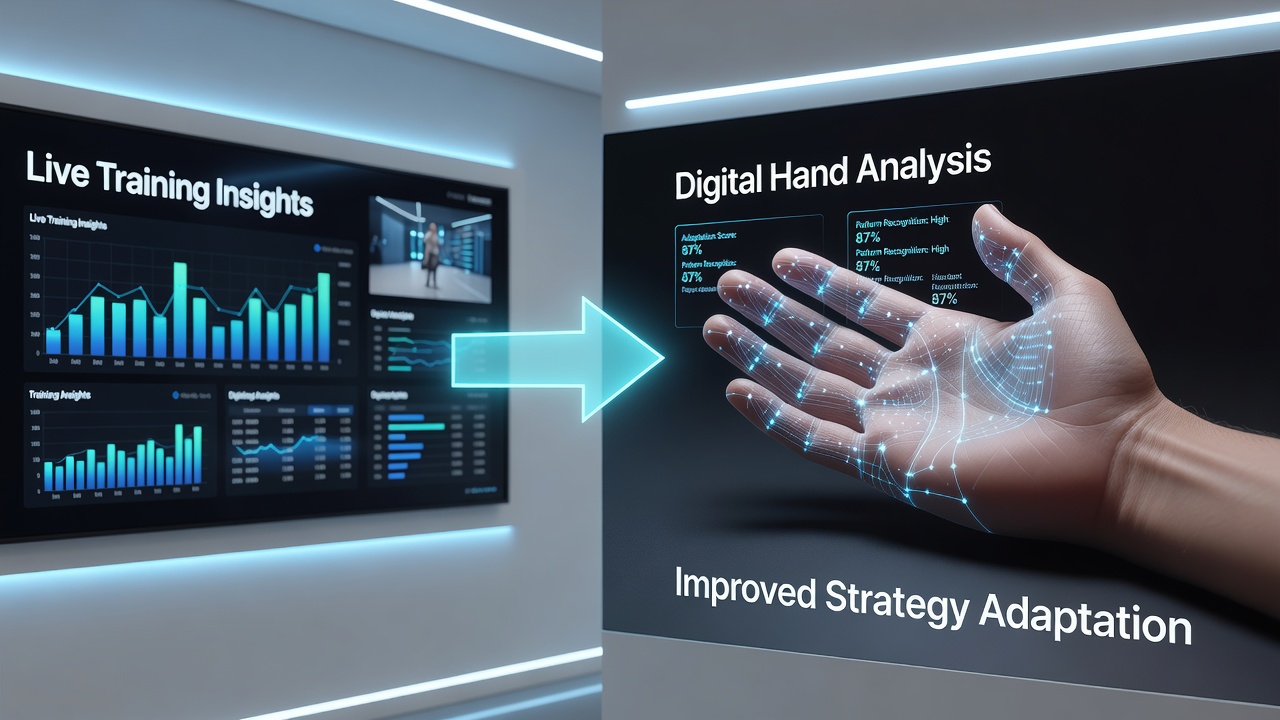
August 2026 brought updates to several major tracking applications that introduced improved import features for live session recordings, allowing users to sync video notes with hand histories more seamlessly than before. Those updates followed reports from gaming research centers showing that hybrid review methods reduced the time needed to identify and correct strategic weaknesses. Figures from industry organizations reveal growing adoption of these combined workflows among mid-stakes players who compete in both live festivals and online series throughout the year.
Practical Examples from Current Play Environments
One documented case involved a group of players who attended a live training camp in early summer and later imported their session logs into analysis tools to compare river call rates against solver recommendations, and the results prompted targeted drills that lifted their overall return on investment within three months. Another instance showed how digital filters exposed a tendency to overvalue top pair in multiway pots, an issue first flagged during live discussions but quantified only after cross-referencing thousands of similar spots from online databases. People who've applied this method regularly report faster identification of leaks because the live component supplies motivation and the digital side supplies volume that live games alone rarely achieve.
Challenges and Considerations in Combined Analysis
Connecting the two data streams requires consistent tagging conventions and accurate session logging, otherwise discrepancies arise that can mislead adjustments. Academic studies on decision-making under uncertainty emphasize the need for clear categorization when merging qualitative observations with quantitative metrics, since mismatched labels distort trend detection. Regulatory data from Australian gaming authorities highlights that responsible use of analysis tools includes regular audits of imported data to maintain accuracy, and players benefit when they establish protocols for reviewing both live notes and digital outputs on a scheduled basis rather than sporadically.
Conclusion
The connection between live training insights and digital hand analysis creates a feedback loop where observations from one domain inform queries in the other, and this loop supports ongoing strategy refinement as player pools and game conditions evolve. Evidence from multiple sources indicates that structured integration leads to more reliable adaptations than either approach used in isolation, because live sessions provide context and digital records supply scale. Players who maintain disciplined processes for merging these resources position themselves to respond effectively to shifting dynamics across different poker formats and venues.